Choosing the right creepy decorative font styles for Halloween invitations can make the difference between a forgettable party flyer and something that genuinely unsettles your guests before they even read the details. The right typeface sets the mood, builds anticipation, and tells invitees exactly what kind of night awaits them.
What Makes a Halloween Font "Creepy"?
A creepy decorative font carries visual tension. Irregular letter spacing, jagged edges, dripping strokes, or eroded textures all signal something dark and mysterious. These design elements tap into classic horror aesthetics think weathered tombstones, abandoned asylum walls, or blood-spattered notes left in old attics.
These fonts work best on invitations for haunted house parties, costume gatherings, murder mystery dinners, and themed events held throughout October. Using them on a casual brunch invite would feel out of place. Context matters.
Why invest time in font selection? Because typography carries emotional weight. A grungy, distressed serif whispers dread. A sharp, angular display font screams urgency. Your invitation is the first taste of the experience you are creating.
How to Match Font Style to Your Event
Consider the Event's Tone
A children's Halloween party calls for playful, slightly spooky lettering rounded shapes with subtle fangs or pumpkin details. An adult-only horror night deserves something darker: shattered glass effects, blood-drip alternates, or fractured bones forming each letter.
Match the Font to Your Design Layout
Pair one bold decorative font for the headline with a clean, readable body font. If every element screams horror, the invitation becomes unreadable. Restraint is your strongest tool. Let the main title carry the creepy atmosphere while the event details remain legible at a glance.
Account for Print vs. Digital
Some highly detailed decorative fonts lose clarity when printed small. Test your chosen font at the actual print size before committing. Digital invitations on screens handle intricate details better, but file size and rendering across devices should still be checked.
Technical Tips and Common Mistakes
Mistake 1: Too many decorative fonts in one design. Limit yourself to two fonts maximum one decorative, one functional. More than that creates visual chaos that confuses rather than creeps.
Mistake 2: Ignoring contrast and readability. A dripping blood font rendered in light gray on a dark background might look cool on your screen but illegible on a printed card. Always test contrast ratios.
Mistake 3: Forgetting licensing. Many free fonts allow personal use only. If you are promoting a commercial haunted attraction or selling tickets, verify the font license before printing.
Quick Fixes You Can Do at Home
- Increase letter spacing slightly to improve readability of dense decorative fonts.
- Add a subtle text shadow or outer glow to separate the font from a busy background image.
- Use a dark vignette overlay on the invitation background to direct focus toward the text.
- Print a single test copy before committing to a full batch.
Checklist Before You Finalize
- Font style matches the event tone (playful, eerie, or terrifying).
- Headline uses decorative font; body text uses a clean complementary font.
- Contrast tested at actual print or screen size.
- Font license confirmed for intended use.
- Text remains fully readable from arm's length.
- One test print or screen review completed across devices.
The perfect creepy decorative font styles for Halloween invitations are not about picking the scariest option available. They are about choosing typography that serves your specific event, your audience, and your design layout then refining until every letter drips with intention.
Download Now Best Spooky Halloween Fonts for Posters and Decorations
 Haunting Vintage Halloween Font Pairings for Spooky Party Flyers
 Spooky Gothic Halloween Fonts for Social Media Posts and Designs
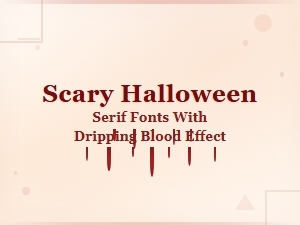 Spooky Halloween Serif Fonts with Dripping Blood Effect
 Creepy Halloween Script Fonts for Spooky Invitations and Party Cards
 Elegant Horror Cursive Halloween Script Fonts for Vinyl Projects and Crafts